
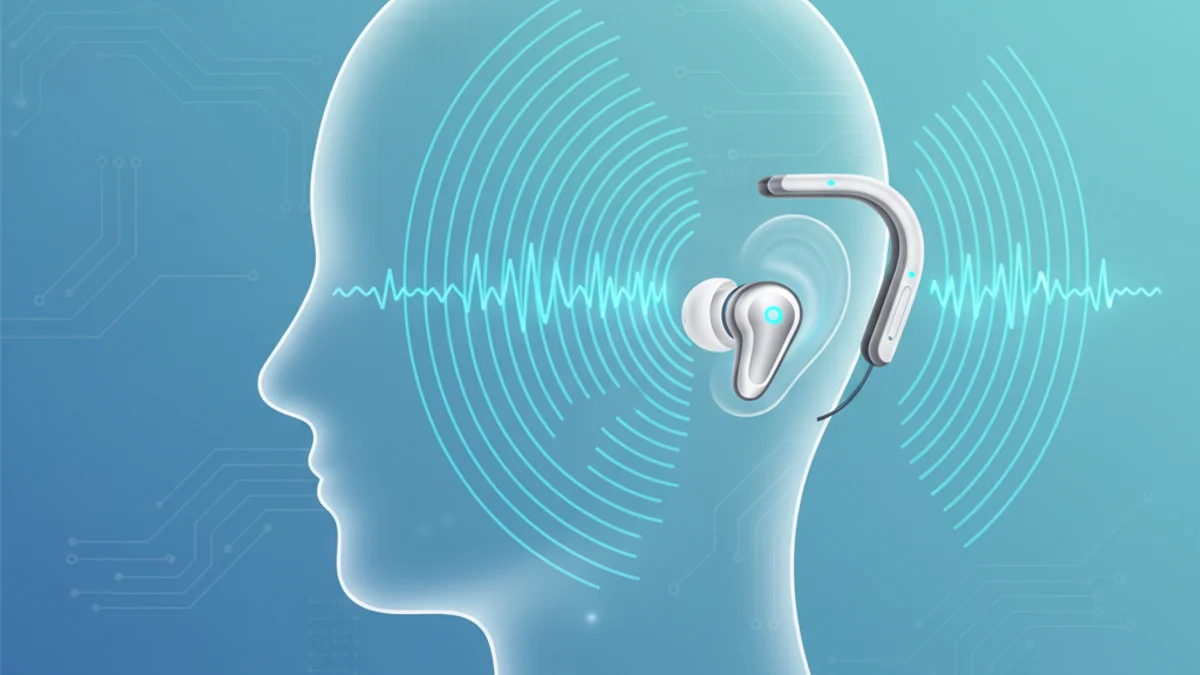
At CES 2026, companies showed earbud style EEG devices and tiny sensors that sit behind the ear. NAOX gained FDA 510(k) clearance for an in ear EEG unit named NAOX LINK. Startup Forenza displayed Awear, a behind-the-ear device that it described as a “Fitbit for the brain” at TechCrunch Disrupt. Muse released a new version of its consumer headband. The industry conveys a single point - brain monitoring is leaving the laboratory and entering daily routines.
Recording brain signals and turning those signals into practical benefit are separate challenges.
What consumer EEG devices record
Clinical EEG rigs hold 19 - 256 electrodes across the scalp and deliver high resolution electrical maps of brain activity. Consumer wearables carry one to four sensors - they detect only coarse patterns.
Many consumer headsets report a narrow set of values:
- Relative band power: the momentary share of alpha, beta, theta or delta waves
- Stress indicators: a rise in high beta rhythms that tracks mental load
- Relaxation markers: a growth in alpha rhythms that accompanies calm, alert rest
- Sleep staging: a rough split among light sleep, deep sleep and REM
The signals are authentic - the electrodes register true voltage changes that originate in the cortex. The issue is not data validity - it is practical utility.
Detecting stress differs from relieving stress
This is the divide that most marketing omits - a device can report a jump in the beta-to-alpha ratio during a tense meeting. It can push a message: “Your stress levels are elevated.” What follows?
The alert alone does not shift brain state - for users who already live with anxiety, repeated warnings about rising stress often raise stress further, creating a loop in which surveillance itself becomes a stress source.
Fitness trackers succeed because the jump from number to deed is short. A step count of 4,000 invites more walking. A heart rate reading in zone two prompts a slower jog. The remedy is bodily and instant.
Neural data resist this model - a person cannot will extra alpha waves into existence. The space between “your brain is stressed” and “your brain is recovered” demands a targeted protocol - an organized method that steers neural activity toward a stable, healthier form.
Why raw data without background become noise
One EEG trace gives almost no useful information on its own - low alpha power could come from anxiety, deep focus or plain fatigue. The same value points in opposite directions when no clinical picture surrounds it.
Staff at the Sofia practice office record EEG within a fixed clinical routine. Every appointment starts and ends with a two-minute Muse headband measurement. The numbers matter only when they sit inside a protocol that notes both the immediate shift after the appointment and the slow drift of the baseline across ten to fifteen visits.
By watching both the single session change and the long term baseline, EEG turns from a novelty into a working instrument. After five hundred plus sessions with forty to fifty clients, repeatable shapes appear - which bands create durable change for which client type, how a true baseline move differs from a brief wobble, how to tune the next appointment from yesterday’s trace.
The monitor-plus-intervention design
The useful issue is not “should I buy a brain wearable?” but “what happens when brain data connects to an actual intervention?”
Present consumer headsets belong to the monitor only group - they gather traces and show graphs. A few add breath paces or recorded meditations as stock replies. None take the live trace to tailor a therapy plan on the spot.
A more useful path links the trace to audio-visual entrainment (AVE): lights and tones at chosen rates push the brain toward selected states. When the EEG result decides the rate and the rate changes from visit to visit, the trace serves a goal beyond mere storage.
The 6th Mind app delivers AVE to any smartphone at no cost. The program uses patterns taken from hundreds of in office traces to build a fifteen day plan. No extra headset is needed - the software applies rules learned from clinical EEG to give sessions tuned for depression, anxiety, insomnia and burnout.
Who will benefit from a home EEG headset now
Home EEG headsets suit a narrow audience - people who want to inspect their own traces and who stay calm when data stay partial. Self experimenters and early adopters who grasp the limits will find the devices worthwhile.
Many people who face stress, bad sleep or low mood still cannot rely on the devices as stand alone helpers. The numbers are genuine but the “so what?” stays open because no clear plan of action sits on top of the data.
The outlook could change within the next twenty four to thirty six months. Sensors become more accurate, firms build closed loops that trigger real help and consumer EEG moves from quiet logging to active brain care. The base for that shift is being built right now.
What the next two years will bring
Prices fall, sensors sharpen and the hardware shrinks. NAOX has FDA clearance, a sign that regulators now treat home EEG as serious. More firms will join.
The leap will arrive through code, not hardware - programs will read the brain’s signal and return a reply shaped to one person, not one-size-fits-all. Firms that link EEG watches to proven steps - AVE, neurofeedback or other proven methods - will decide whether those headbands turn into daily tools or stay high priced toys.
The soundest path to better brain health is still a plan built from clinical practice, reached either in a therapy office or through apps that rest on real patient records.
Sources
- “The Best Neurotech at CES 2026: EEG, Sleep Tech, and Brain-Health Platforms” - NeuroFounders, 2026
- “This startup built a Fitbit for your brain to combat chronic stress” - TechCrunch, 2025
- “Why Consumer EEG Embedded Hardware Is the Next Big Platform” - Arctop, 2025